

Make protection against certain HPV-related cancers and diseases part of your story.
Help protect yourself from certain HPV-related cancers and diseases.
Your story is full of choices.
Will you choose to help protect yourself against certain HPV-related cancers and diseases?
A conversation with your health care provider is an opportunity to learn how to help protect yourself from certain HPV-related cancers and diseases.

Helping protect together
The Human Papillomavirus Virus (HPV) is a virus that can cause certain cancers later in life.¹ HPV infection is now a well-established cause of cervical cancer and there is growing evidence of HPV being a relevant factor in other anogenital cancers (anus, vulva and vagina).² Although it is a highly common virus, there is a way to help prevent its infection and spread.¹
Together, we can help protect against certain HPV – related diseases and help save more lives.

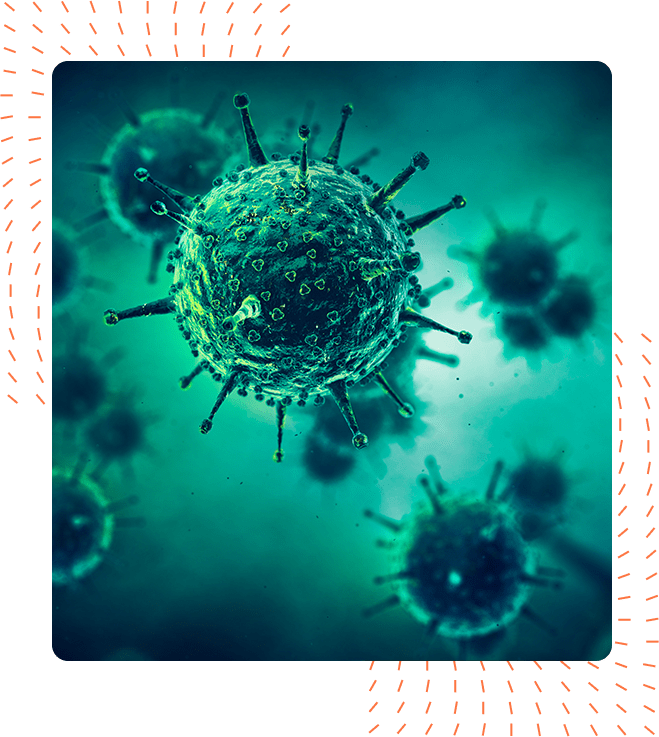

Certain HPV-related cancers could affect you. But you can help protect yourself.
Answer two simple questions to get information about certain HPV-related cancers, and the power you and your doctor have to help protect you.
Takes just 30 seconds
Watch and discover HPV vaccination.
How will you write your story?
Ask your doctor how you can help protect yourself from certain HPV-related cancers. For most people, HPV clears on its own. But for those who don’t clear the virus, it can cause certain cancers and diseases.1

It’s called human papillomavirus,
and it may be more common than you think.
Human papillomavirus, or HPV, is the most common sexually transmitted infection (STI) in the world. In fact, HPV is so common that most sexually active adults will get the virus at some point in their lives. And since HPV usually has no symptoms, you can be infected and not even know it.
For most people, HPV clears on its own. But for those who don’t clear the virus, it can cause certain HPV-related cancers and diseases.1

For most people, HPV clears on its own. But for those who don’t clear the virus, it can lead to certain HPV-related cancers and diseases, but you can help protect yourself.1
There are many types of HPV, some of which can cause certain HPV-related cancers such as cervical, vaginal, and vulvar cancers in women, and anal cancer in men and women.
HPV can also lead to genital warts in men and women.

You and your doctor can help protect you from certain HPV-related cancers and diseases.
You should know that both men and women can help protect themselves from certain cancers caused by HPV. So, don’t wait to take action.
Talk to a health care provider about ways to help protect yourself from certain HPV-related cancers and diseases.
Make the most of your conversation with your health care provider.
A health care provider can answer your questions about HPV and certain HPV-related cancers and diseases. Here are some tips to help you make the most of your visit:
-
Learn the basics
Learn the basics about certain HPV-related cancers and diseases from this website, and other reliable sources like your doctor.4
For most people, HPV clears on its own. But for those who don’t clear the virus, it can cause certain HPV-related cancers and diseases.1 -
Ask about HPV vaccination
Ask your health care provider if HPV vaccination may be right for you, and what to expect.5 -
Discuss screening options
Ask about available screening for cervical cancer for certain HPV-related cancers.4,5 -
Be your own health advocate
Even if your health care provider doesn’t bring up the topic of HPV vaccination, you can.5 There’s a lot to know about your health, so if you have any questions or concerns, be sure to ask.1

Frequently asked questions
HPV, also called human papillomavirus, is a virus that infects the skin or various mucous membranes (like the genitals). There are many different types of HPV, some of which can cause certain types of cancer and genital warts. For most people, HPV clears on its own. But for those who don’t clear the virus, it can cause certain HPV-related cancers and diseases. 1
HPV is the most common sexually transmitted infection in the world and up to 80% of sexually active people will be infected with HPV in their lifetime. For most people, HPV clears on its own. But for those who don’t clear the virus, it can cause certain HPV-related cancers and diseases.1
Men and women who are sexually active can be infected with HPV. For most people, HPV clears on its own. But for those who don’t clear the virus, it can cause certain HPV-related cancers and diseases.1
Anyone who has HPV can pass on the virus through direct skin-to-skin contact—usually through sexual activity. For most people, HPV clears on its own. But for those who don’t clear the virus, it can cause certain HPV-related cancers and diseases.1
There are ways to help reduce the risk for certain HPV-related cancers. These include:
- Limiting number of sexual partners
- Condom use
- Cervical cancer screenings
- HPV vaccination
For most people, HPV clears on its own. But for those who don’t clear the virus, it can cause certain HPV-related cancers and diseases.1